
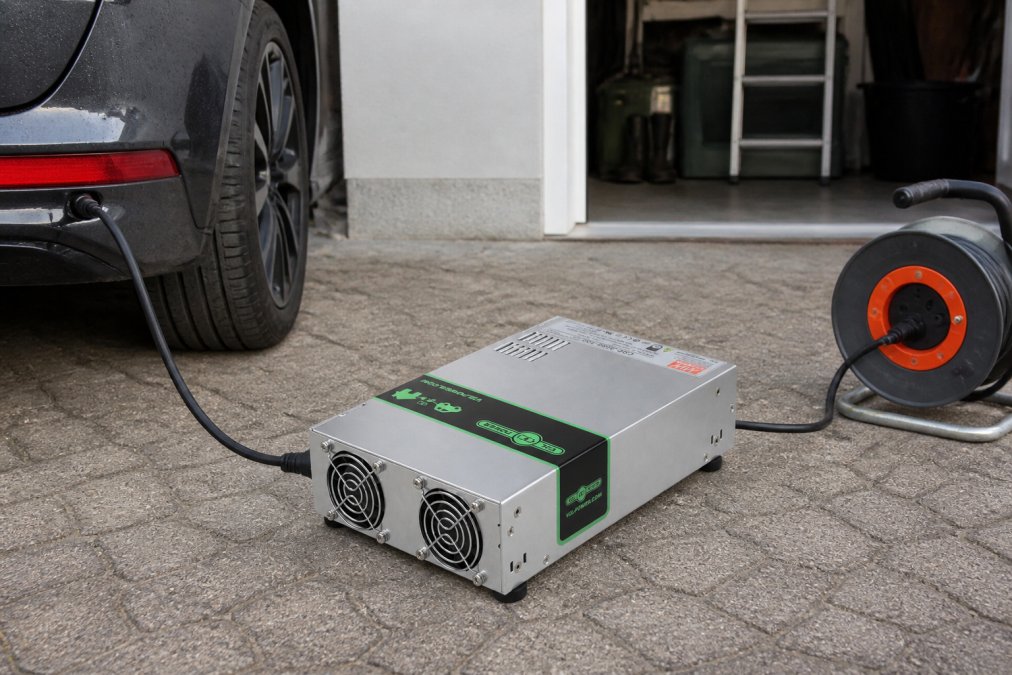
Safety when using V2L: Complete guide
Table of contents
- What is V2L and how does the technology work?
- Safe V2L adapter for electric cars: Choosing certified equipment
- V2L limitations and wattage consumption: What your electric car can deliver
- Safety precautions when using V2L
- V2L Connectivity Troubleshooting: Solving Common Problems
- Legal aspects and insurance at V2L
- Practical guide: How to use V2L safely
- Conclusion
Last updated: August 27, 2026
What is V2L and how does the technology work?
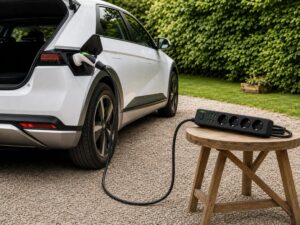
Vehicle-to-Load (V2L) is the technology that allows you to draw electrical power from your electric car to external devices and equipment. Instead of charging the car, the energy flows from the car's battery through an adapter or converter to everything from camping gear to tools and household appliances. 🔌
V2L works by having your electric car have a built-in power outlet, typically a Type 2 charging port, that can deliver AC power directly to your devices. This technology means you always have a mobile power source with you, whether you're camping, working on a construction site, or needing backup power during power outages. ⚡
The most important thing to understand is that V2L is about get power out of the car, not charging it. This is essential for safety and to understand which devices can be powered and how long your car battery can last.
V2L is not the same as V2H (Vehicle-to-Home). V2H is a permanent installation that uses your car battery as backup power for your entire house. V2L is mobile and flexible, you can take it with you anywhere.
Safe V2L adapter for electric cars: Choosing certified equipment
Choosing the right V2L adapter is crucial for the safety of using V2L. A certified adapter ensures that power is delivered in a controlled manner, without damaging your car's electrical system or creating a fire hazard.
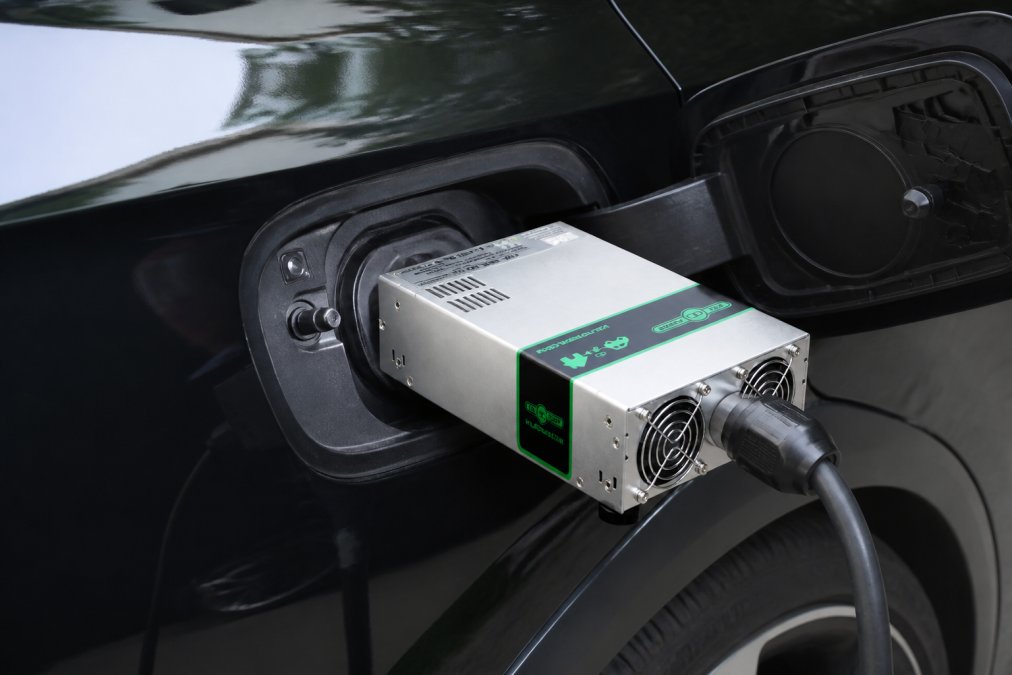
Type 2 cables and charging port safety
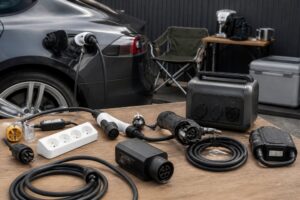
The Type 2 connector is the standard for V2L connections in Europe (iec.ch). A quality cable with proper grounding and overload protection ensures that power is safely routed from the car's charging port to your devices. 🔐
When choosing a Type 2 cable, check:
- CE marking, confirming that the cable meets European safety standards
- Cable thickness (at least 2.5 mm² for safe power transmission)
- Length that suits your needs without creating voltage drops
- Physical condition without cracks or damage
A bad cable can result in overheating, short circuits or even fire. That's why it's important to invest in certified equipment from suppliers, which specializes in V2L solutions such as V2LPower.
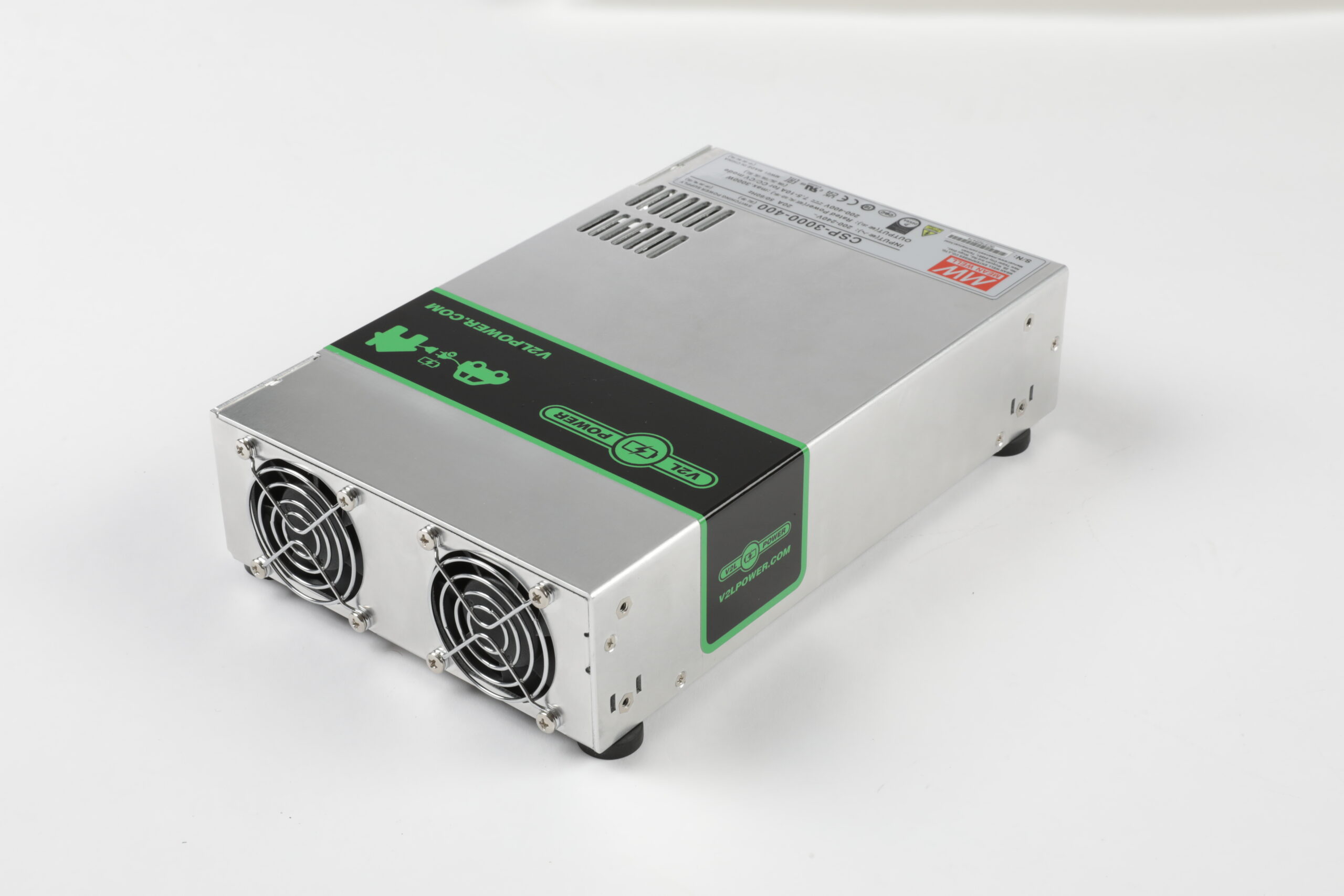
Overload protection and grounding
Overload protection means that the system automatically cuts off the power if the current consumption becomes too high. This protects both your equipment and the car's electrical system. The ground connection ensures that any electrical faults do not result in electric shock.
A certified V2L system has built-in electronic protection that monitors:
- Voltage levels (should be around 230 V AC)
- Amperage (maximum around 16 amps for most systems)
- Temperature of the cable and plug
If any of these parameters exceed safe values, the system automatically disables the connection. This is not annoying, it is vital safety.
Cheap V2L adapters without overload protection cannot detect dangerous situations. Your car may be overloaded or your equipment may be damaged. It is worth paying for certified equipment.
V2L limitations and wattage consumption: What your electric car can deliver
Not all electric cars can deliver the same amount of power, and not all appliances can be powered by V2L. It is important to understand these limitations in order to use the technology safely.
Maximum load and kilowatt capacity
Most V2L systems deliver between 2 and 3 kilowatts (2,000-3,000 watts) continuously (peer-reviewed research). Some newer electric cars can deliver up to 11 kilowatts, but this is rare. Your appliances cannot draw more power than the system can deliver.
If you connect an appliance that requires more than the maximum load, the system will either:
- Reduce power automatically
- Displaying the error message ""V2L conditions not met"""
- Completely disconnect to protect the car
This means you need to plan which appliances you use at the same time. You can't run a 2,000 watt electric kettle and a 1,500 watt electric heater at the same time, that would exceed capacity.
Devices you can and cannot operate
You CAN typically drive:
- Camping equipment (cool boxes, electric fans, LED lights)
- Small tools (drills, low-wattage grinders)
- Electronics (laptops, tablets, smartphones, cameras)
- Small kitchen appliances (coffee makers, electric kettles under 1,500 watts)
- Medical devices (CPAP machines, oxygen concentrators)
You CANNOT typically drive:
- Large heating elements (space heaters over 2,000 watts, electric radiators)
- Air conditioners or powerful fans
- Large induction hobs or electric cookers
- High-performance compressors
- Whole house power needs
A simple rule: if the appliance has high wattage or constant high load, V2L is probably not the solution.
Before purchasing V2L equipment, you need to know what appliances you want to power. Check their wattage and make sure it doesn't exceed your car's maximum V2L capacity.
Safety precautions when using V2L
Safety is not just about choosing the right equipment, it is also about using it correctly.
Weather conditions and moisture protection
Moisture and water are electricity's worst enemies. If water gets into the sockets or cable, it can result in a short circuit, electric shock or fire. 💧
When using V2L in rain or damp places:
- Cover all electrical outlets with waterproof covers or rain covers
- Avoid connecting cables in heavy rain, wait until the weather improves
- Check cables for cracks or damage before each use.
- Only use equipment rated for outdoor use.
- Make sure the ground around the car's charging port is dry.
Many V2L adapters have built-in moisture protection, but that doesn't mean you can leave the cable in water. Treat it with respect.
Battery wear and long-term effects
When you use V2L, you are discharging your car battery. This is a completely normal process, but if you use V2L too much without charging the car, it can affect the battery's long-term life.
To minimize battery drain:
- Use V2L only when necessary, not every day for minor tasks
- Fully charge the car before long drives after intensive V2L use
- Avoid discharging the battery completely through V2L
- Keep an eye on your car's V2L low battery warnings
- In cold weather, the battery discharges faster, so plan accordingly.
Most modern electric cars have electronic protection that prevents you from over-discharging the battery through V2L. The system will simply stop delivering power if the battery gets too low.
V2L Connectivity Troubleshooting: Solving Common Problems
Even with the right equipment, mistakes can happen. Here are the most common problems and what you can do.
V2L conditions not met and other error codes
""V2L conditions not met"" is the most common error message. It means that your car is unable to provide V2L power at this time. Possible causes:
- The battery is too low., charge the car up to at least 20 % before V2L
- The engine is running., turn off the engine and make sure the car is in park position
- The car temperature is too high or too low, let the car stabilize to room temperature
- Another system error, restart the V2L system by unplugging it and plugging it back in after 30 seconds
- Compatibility issue, some car models have V2L restrictions at certain times
Other error codes:
- Overcurrent warning, you have connected a device that is using too much power. Remove it and try again.
- Temperature warning, the cable or plug has become too hot. Let it cool down
- Ground fault, there is a problem with the ground connection. Check that the plug is fully inserted
If you get repeated error messages, stop using the system and contact V2LPower for support. Do not continue to force the system to work.
Compatibility and car model-specific challenges
Not all electric cars have V2L, and those that do may have different limitations based on the car make and model.
Which car brands does V2L have:
- Hyundai Ioniq 5 and 6
- Kia EV6 and EV9
- Genesis GV60
- Some newer Ford models
- Some BMW and Mercedes models
Car model-specific challenges:
- Some cars require you to purchase a special V2L adapter from the manufacturer
- Some models have V2L only available in certain countries
- Some have limitations on maximum wattage
- Some disable V2L if the battery drops below a certain percentage
Before purchasing V2L equipment, verify that it is compatible with your specific car model. V2LPower offers car-specific guides and adapters for the most popular models, ensuring you get exactly the right one for your car.
| Car brand | V2L capacity | Cable type | Special requirements |
|---|---|---|---|
| Hyundai Ioniq 5 | 3.6kW | Type 2 | At least 20% battery |
| Kia EV6 | 3.6kW | Type 2 | At least 20% battery |
| Genesis GV60 | 3.6kW | Type 2 | At least 20% battery |
Legal aspects and insurance at V2L
Although V2L is technology that is becoming more common, there are legal and insurance aspects you should be aware of.
Insurance and liability:
- Most car insurance policies cover V2L use, but it's worth checking with your insurer
- If you are using V2L for commercial use (construction site tools), there may be different requirements
- Your home insurance typically does not cover damage from V2L connections, it is your responsibility
Safety standards:
- V2L equipment must meet CE marking and European safety standards
- Type 2 cables must be certified according to IEC 62196-2 (iec.ch)
- Overload protection must be built into all V2L systems
Workplace and commercial use:
If you use V2L for work, you must ensure that it meets occupational health and safety requirements. Electrical equipment in the workplace must be safety approved, and you must have basic training in the safe use of V2L.
If you are unsure about legal requirements, please contact your insurance company or an electrician. It is worth getting clarity before using V2L for important purposes such as backup power or commercial use.
Practical guide: How to use V2L safely
Now you know the theory. Here's the practical approach to using V2L correctly and safely.
Step-by-step setup and connection
Step 1: Prepare the car
- Park the car in a safe, level area.
- Turn off the engine.
- Let the car stand for at least 5 minutes to stabilize the system
- Check that the battery has at least 20 % charge
Step 2: Prepare the equipment
- Make sure all devices are turned off before connecting them.
- Check all cables for visible damage.
- Make sure the area around the car's charging port is dry.
Step 3: Connect the V2L cable
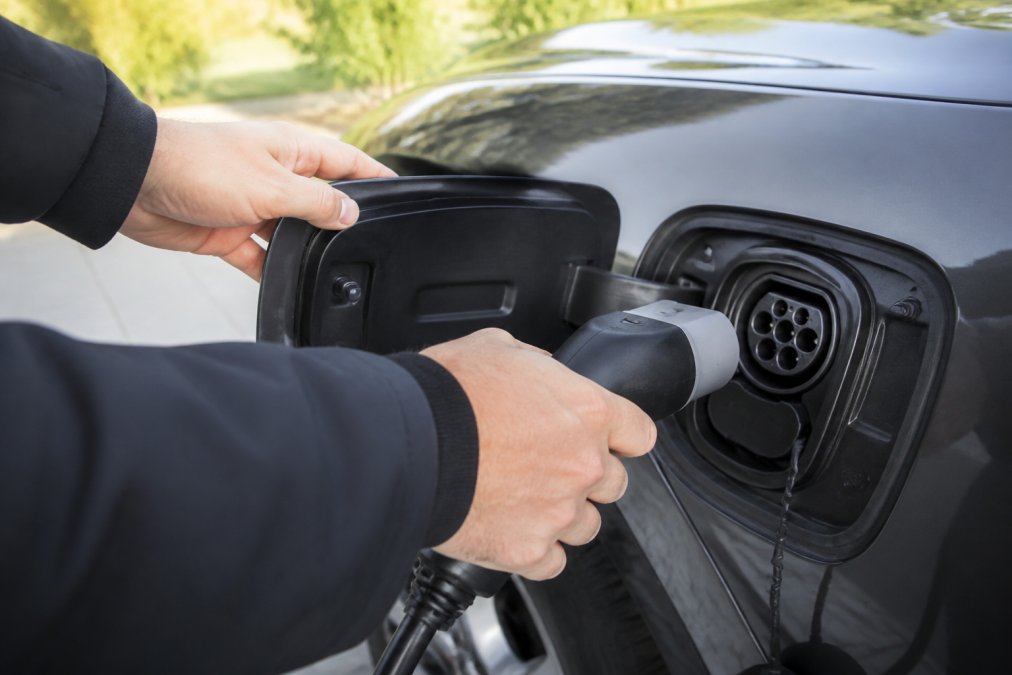
- Open the car's charging port (see your car's manual for how to do this)
- Insert the Type 2 plug fully into the charging port connector
- You should hear or feel a click confirming it is secured.
- Wait 10-15 seconds for the system to activate V2L mode
Step 4: Connect your devices
- Connect only one device at a time to start
- Turn on the device and check that it is operating normally.
- If it works, you can connect more appliances (if the total wattage allows it)
- Monitor the system for the first few minutes for signs of problems
Step 5: Finishing
- Turn off all appliances.
- Unplug the car's charging port.
- Close the car's charging port.
- Store the cable in a safe place.
Daily operation and maintenance
After each use:
- Check the cable for moisture or damage.
- Dry the cable and connectors thoroughly if they have been exposed to moisture.
- Store the cable in a dry place away from direct sunlight.
Weekly inspection:
- Check for cracks, kinks or loose connections
- Make sure the plug is free of corrosion.
- Test the system briefly to make sure it is still working.
Annual maintenance:
- Have the system inspected by a certified electrician if you use it frequently.
- Replace the cable if you notice any signs of wear.
- Update the car's firmware if the manufacturer releases updates for the V2L system
Regular maintenance ensures that your V2L system remains safe and reliable for many years.
Safety when using V2L is about understanding the technology, choosing certified equipment, and using it correctly. With the right adapter, proper maintenance, and a thorough understanding of the system's limitations, you can confidently use your electric car as a reliable power source anywhere.
V2LPower specializes in helping electric car owners get the most out of their V2L technology through certified adapters, detailed guides for specific car models, and support across Europe. With V2LPower, you don't just get equipment, you get expertise and security. READ OUR V2L GUIDE to find the right solution for your car and your needs.
Frequently Asked Questions
What is the difference in safety between V2L and regular car charging?
V2L means that the power flows from your electric car out to external devices, not into the car as with charging. Safety with V2L focuses on protecting external devices and your home from overload, short circuit and voltage surges. You should use certified equipment with overload protection and grounding to ensure that the power from your car is stable and safe for all the devices you connect.
What safety precautions should I take when using V2L adapter?
Always check that your V2L adapter is CE certified and approved for your car model. Never connect devices that draw more power than your adapter can deliver (typically 1.6-3.6 kW). Keep the adapter and cables dry and protect them from moisture and weather. Never use damaged cables and make sure the battery has sufficient charge. Read the car and adapter user manual and follow the specified maximum load limits.
Can V2L damage my electric car's battery in the long term?
If you use V2L within the specified limits, the risk of battery damage is minimal. Modern electric vehicles have built-in protection systems that stop discharging if the battery gets too low. However, prolonged, daily use of V2L at high power levels can affect the battery's lifespan over many years. It is recommended to avoid discharging the battery below 10-20 percent during V2L use, and to allow the battery to rest for periods of time.
What do I do if my V2L adapter is not working or shows an error code?
First, make sure your car supports V2L and is turned on (not in standby). Check that the battery has at least 20 percent charge, as some cars require this. Remove and reconnect the adapter after a few minutes. If you get the error 'V2L conditions not met', it may be due to low battery, incorrect car model compatibility, or a defective adapter. Check your car's owner's manual for your specific model conditions and contact V2LPower support if the problem persists.
Which devices are safe to operate with V2L?
Devices with low to medium power consumption are safe: power tools (up to 1.5 kW), camping equipment, computers, smartphones and small kitchen appliances. Avoid devices with high starting current such as air conditioners, large electric heaters or industrial equipment as they can overload the system. Always check the wattage consumption of the device and compare it to the maximum capacity of your adapter. Devices with high heat production should also be avoided as they can affect the adapter's electronics.
Is it safe to use V2L in rain or moisture?
V2L adapters and cables are designed to withstand normal weather conditions, but you should take precautions. Protect the charging ports and sockets from direct rain by using weatherproof covers or using shelter when connecting. Avoid working with wet hands or in flooded areas. If components get wet, allow them to dry completely before use. Some V2L converters have an IP rating (e.g. IP54) which indicates their water resistance, so check the specifications.
What should I know about legal aspects and insurance at V2L?
V2L use for private backup power or camping is generally legal in Denmark, but you should check your home insurance if you use V2L to power your home during power outages. Some insurances may require the system to be installed by certified electricians. If you use V2L commercially (e.g. on construction sites), you must ensure that it complies with the Working Environment Act and relevant safety standards. Contact your insurance provider and an electrician to specify your rights and obligations.
How do I know that a V2L adapter is safe and certified?
Look for the CE mark, which indicates that the product meets European safety standards. Check that the adapter is specified for your exact car model, as compatibility varies. Read the user manual for safety features such as overload protection and grounding. Buy from established suppliers like V2LPower, who offer technical support and a warranty. Avoid unknown online manufacturers without documentation or customer reviews, as cheap alternatives often lack important safety features.
This article was written using GrandRanker

 Danish
 English
 Swedish
 German
 Dutch
 Norwegian
 Chinese
 French
 Polish
 Italian
 Greek
 Finnish
 Spanish
 Turkish
 Bulgarian
 Czech
 Portuguese
 Bosnian
 Slovak
 Slovenian
 Romanian
 Hungarian
 Lithuanian
 Latvian
 Estonian
 Serbian
 Ukrainian