
V2L adapter: Comparison and buying guide
Table of contents
- What is a V2L adapter?
- How V2L technology works
- V2L adapter compatibility: Find the right one for your car
- Comparison of V2L adapter types
- V2L Adapter Safety: What You Need to Know
- Power capacity and power: How much can you draw?
- Practical use cases: Camping, emergency power and tools
- Which V2L adapter should you choose?
Last updated: August 26, 2026
What is a V2L adapter?
A V2L adapter is a device that allows you to draw electrical power directly from your electric car to power external devices. V2L stands for Vehicle-to-Load, power flows from the car out to your equipment, not into the car. This is fundamentally different from charging the electric car itself.
If your car has V2L functionality (which is standard on many newer models), with the right adapter you can get 230V power to power everything from camping equipment to power tools to emergency power at home. V2LPower specializes in delivering precisely tailored V2L adapter solutions for different electric car brands and usage situations.
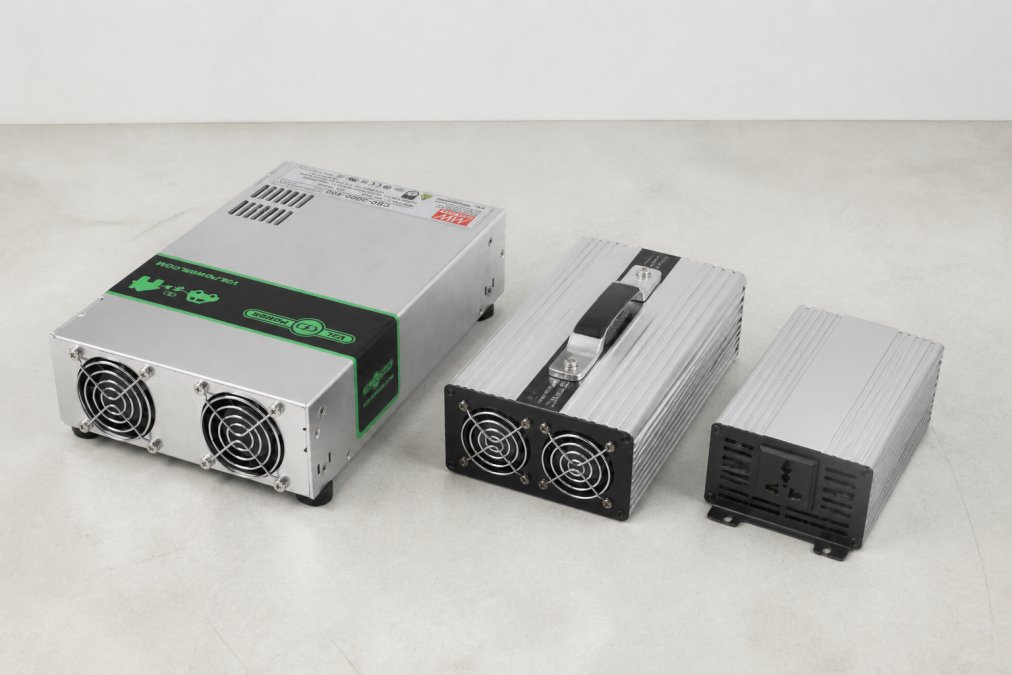
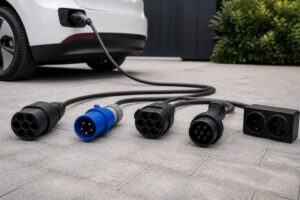
There are several types of V2L adapters: simple Type 2 to Schuko adapters without electronics, external high-power converters, or car-to-car chargers that charge other electric cars directly from your car.
Important distinction: V2L means power flows OUT of your car. If you hear “V2H” (Vehicle-to-Home), it means power can flow both ways, both out to the house and back into the car. This requires more advanced technology and more often the installation of special equipment at home.
How V2L technology works
V2L technology takes advantage of the fact that modern electric cars have huge batteries (often 50-100 kWh) and built-in electronics to control power outlets. Your car already has the hardware needed.
When you connect a V2L adapter to the car's charging socket, you activate the car's built-in V2L function. The car has an internal power converter that converts direct current from the battery to alternating current (230V AC). This current then flows out through the adapter to your devices.
The car's software (which the V2LPower team calls HPFI, High Power Frequency Inverter) controls the entire process. It automatically protects the battery by limiting maximum output power, ensuring that the battery is not overloaded during long-term operation.
For simple Type 2 to Schuko adapters, no electronic conversion takes place in the adapter itself, it is just a mechanical connection. For more advanced solutions, an external converter is added that can handle higher powers and integrate with solar panels or home batteries.
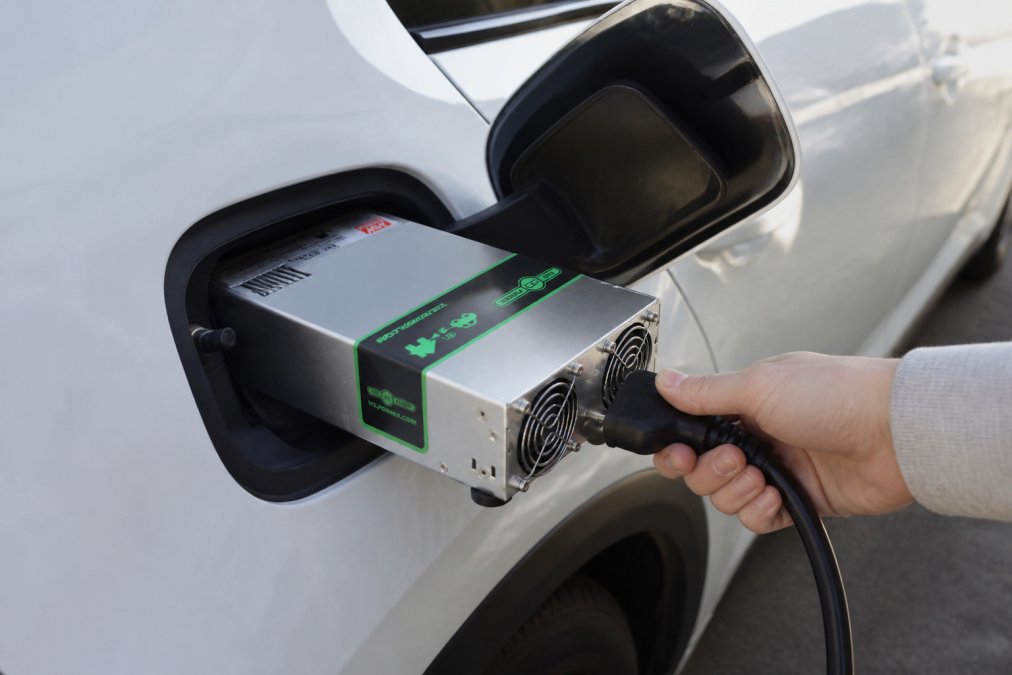
The key to V2L is that your car already has all the electronics it needs. The adapter is simply the interface that connects the car's onboard power system to your devices.
V2L adapter compatibility: Find the right one for your car
Not all electric cars support V2L, and among those that do, implementation varies significantly. Your first task is to confirm that your car even has V2L capability.
Which cars have V2L?
Many European and Chinese electric cars support V2L as standard. BYD, Nio, XPeng, and several Hyundai and Kia models have it. Tesla's European models also have V2L, although the implementation is different from other manufacturers. Older models (pre-2022) rarely have it.
Which adapter is suitable for your car?
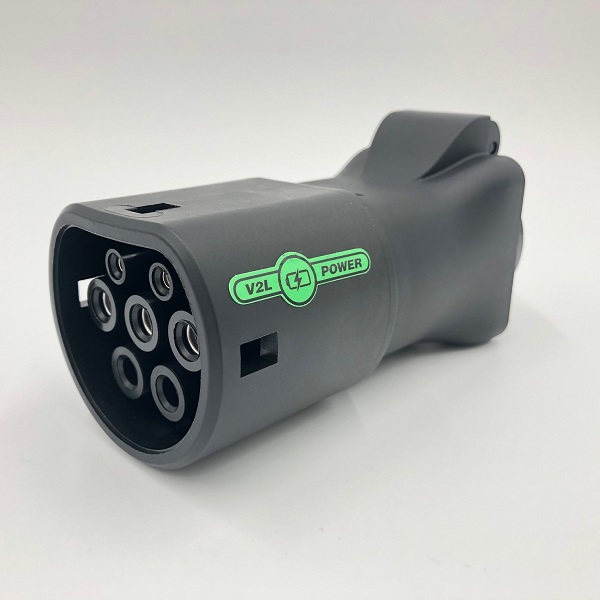
There are three main categories: Type 2 to Schuko (fits all cars with Type 2 charging sockets), car-to-Type 2 (used to charge other electric cars directly), and car-to-home solutions (requires external converter and installation).
V2LPower offers adapters specifically designed for different car brands. When choosing, confirm that your car supports V2L, identify your charging connector type, and select the adapter based on your intended use.
A common mistake: buying a “universal” adapter and then getting the error message “V2L conditions not met” when you plug it in. This often happens because the adapter is not optimally designed for your specific car model. V2LPower’s approach is to manufacture adapters specifically for each car brand to ensure trouble-free operation.
Comparison of V2L adapter types
There are three main types of V2L solutions on the market, each with different purposes.
Type 2 to Schuko adapter
What it is: A simple mechanical adapter that connects the car's Type 2 charging connector directly to a standard Schuko socket. No electronics, no installation.
Best for: Camping equipment, smaller power tools, emergency power for small appliances, or if you want to test the V2L function first.
Advantages:
- Cheapest entry-level product
- Plug-and-play, connect and get power in seconds
- No installation or electrician work
- Fits all European electric cars with Type 2 charging connector
Disadvantages:
- Limited to approximately 3-4 kW output power
- Cannot handle appliances with very high power consumption
- Not suitable for permanent home use or whole house backup power
Who should choose it: Campers, RV owners, and people who want to experiment with V2L without a large financial commitment.
Car-to-home solutions
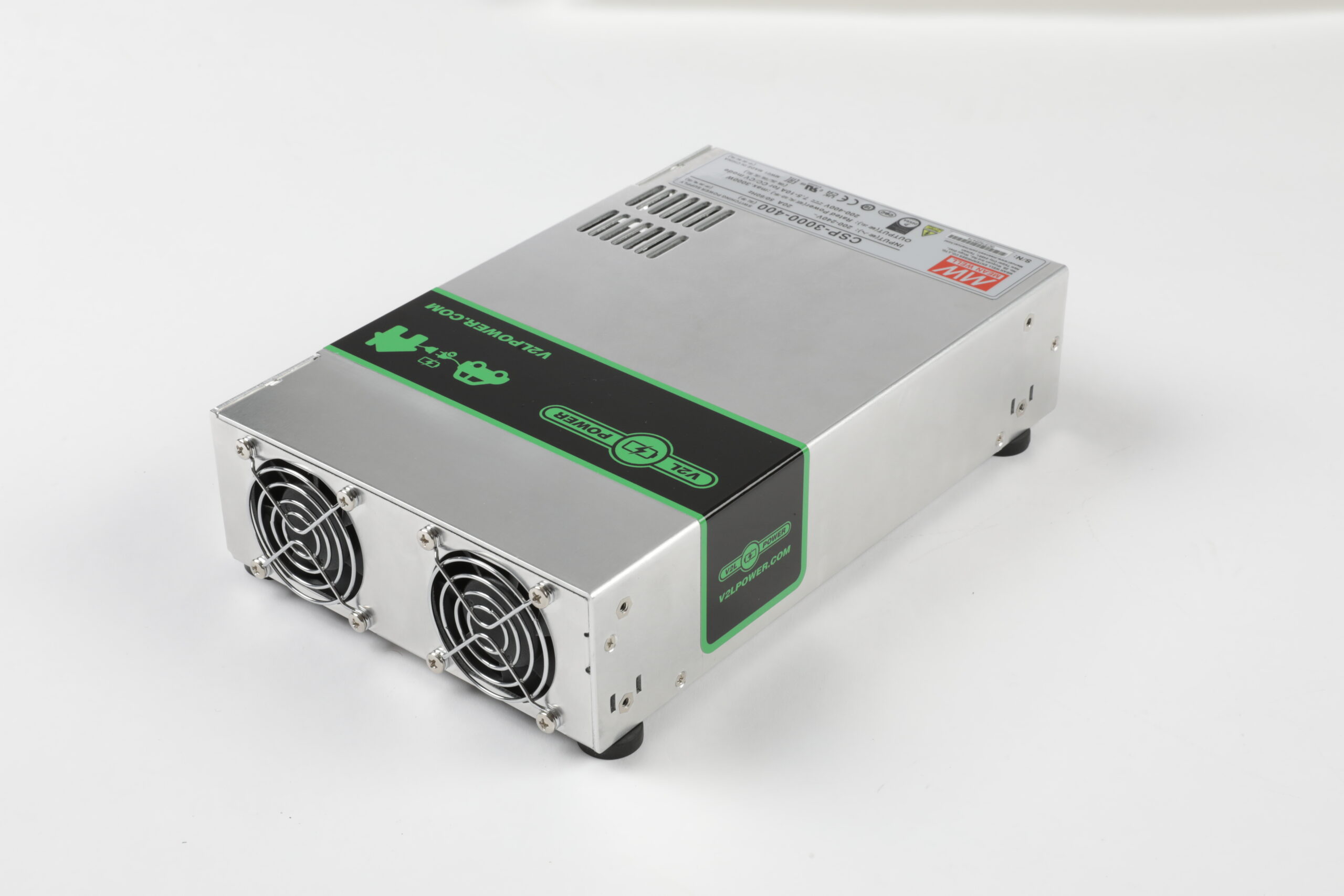
What it is: A complete system that connects your car's V2L output to your home. Typically includes a factory-made Type 2 cable, an external inverter, and installation of a wall outlet or integration with existing solar panels.
Best for: Homeowners who want backup power during power outages, or who want to use the car battery as energy storage for solar panels.
Advantages:
- High power (up to 3000W)
- Can power the entire house or significant parts of it
- Integrable with existing solar systems and home batteries
- Professional quality designed for continuous operation
- Secure & certified solution
Disadvantages:
- Significant initial investment
- Requires electrical work and possibly permits
- Not portable, installation is permanent
- Requires you to have a car at home to get power
Who should choose it: Homeowners with solar panels, people in areas with frequent power outages, or environmentally conscious people who want to maximize their energy independence.
Car-to-car charging
What it is: A Type 2 charger that charges another electric car directly from your car's battery.
Best for: People who often travel with other electric car owner friends, or who run a service that requires mobile charging of electric cars.
Advantages:
- Independent of charging infrastructure
- Adjustable charging power via button on the charger
- The charger remembers your setting for next use
- Factory-made Type 2 quality
Disadvantages:
- High price
- Slow charging compared to DC fast chargers
- Requires both your car and the target car to support V2L
- Not suitable for charging devices other than electric cars
Who should choose it: Professional charging operators, campsites, or private individuals who regularly help other electric car owners.

| Adapter type | Effect | Best for | Installation |
|---|---|---|---|
| Type 2 to Schuko | ~3-4kW | Camping, tools | No |
| Car-to-home | Up to 3000W | Home use, backup | Electrician |
| Car-to-car | ~3-4kW | Charging another electric car | No |
V2L Adapter Safety: What You Need to Know
Safety is fundamental to V2L. When you're pulling thousands of watts from your car's battery, the entire system must be designed to handle it without harming the car, the devices, or yourself.
How does your car protect the system?
Your car's built-in HPFI software is your main defense. It constantly monitors the battery and shuts off power if temperatures become critical, limits maximum power based on the car's condition, and ensures the battery is not overloaded during extended operation.
This is why V2LPower recommends using factory-made adapters designed for your specific car model. The car manufacturer has tested and approved these and your warranty remains intact.
What should you do yourself?
Always read your vehicle's manual to understand your vehicle's V2L capabilities and limitations. Avoid running your vehicle on a very low battery while drawing power, avoid using V2L in extreme heat or cold without proper ventilation, and if you are installing a home car-to-home solution, always have a licensed electrician do the work.
CE certification and standards
V2LPower's adapters are CE approved, which means they comply with European safety standards for electrical equipment (europe.eu). This means that the device has undergone rigorous tests for electrical safety, overload protection, and radiation.
Cheap “universal” V2L adapters without CE certification pose a real risk. They can damage your car’s electronics, overload your home electrical system, or cause an electrical fire. The investment in a certified adapter is worth every penny.
Power capacity and power: How much can you draw?
The most important number to understand is: how much power can your V2L adapter actually deliver?
Type 2 to Schuko adapters typically delivers 3-4 kW (16A at 230V). This is sufficient for camping fridge, power tools, small heater, coffee maker and small household appliances. It is NOT sufficient for heat pump, air conditioning, large dishwasher, electric oven or simultaneous operation of several high-current appliances.
Car-to-home solutions can deliver up to 3000W of continuous power, significantly more, but still not "the whole house at once".
Important limitation: Your car has a maximum V2L output power. If you try to pull more than the car can deliver, the car's HPFI software will cut off the power. You can't simply "boost the power", the car sets the limit.
That's why V2LPower offers car-to-car chargers with adjustable amperage (8A, 10A, 13A, 16A). You choose the setting that suits your car's capacity and the charger remembers it for the next use.
Pro tip: If you plan to use V2L for utility or camping, start testing with smaller devices first. This way you'll learn the car's limits without risking triggering the safety system.
Practical use cases: Camping, emergency power and tools
V2L is about what you can actually do with the electricity.
Camping and outdoor activities
With a Type 2 to Schuko adapter you can power an entire camping setup directly from your electric car: electric kettle, fridge, LED lighting, laptop charging, small heater and fan. Many campsites do not have power for each pitch, with V2L your car itself becomes a mobile power station.
Emergency power during power outages
With a home-to-home solution, your electric car can be your backup system: power for refrigeration and freezer, heating in cold months, lighting and communication, and charging critical devices. In Denmark, this provides peace of mind.
Tools and commercial use
Craftsmen can operate power tools directly from an electric car: drill, grinder, saw, compressor, soldering iron and work lights. A single electric car can replace an expensive power generator without noise or emissions.
Which V2L adapter should you choose?
Your choice depends on three main scenarios.
Scenario 1: You want to test V2L without a large financial commitment
Choose a Type 2 to Schuko adapter. This is the cheapest entry-level product that gives you full V2L functionality without committing to an expensive installation. V2LPower's version is factory-made with proper Type 2 connectors, not cheap two-pin solutions, which means it will last longer and be more reliable.
Scenario 2: You want backup power or want to use your car as energy storage for your home
Choose a V2LPower car-to-home solution. This is a complete solution that requires electrical work, but once installed, you have a powerful backup power station. It can be integrated with solar panels, meaning you can maximize your energy independence.
V2LPower's approach is important: they use the car's own HPFI software as protection rather than relying on external safety mechanisms. This means that the manufacturer's warranty on your battery remains intact.
Scenario 3: You want to charge other electric cars directly from your car
Choose a V2LPower car-to-Type 2 or Type 1 charger. This is not for ordinary people, it is for professional operators, campsites, or people who regularly help other electric car owners. V2LPower's version is factory-made Type 2 quality with adjustable charging power and memory.
The most important decision: Specific vs. universal adapter
Many online retailers sell "universal" V2L adapters that claim to fit all electric cars. Sometimes they work, but many times you get the error message "V2L conditions not met" when you connect.
Why? Because each car manufacturer implements V2L a little differently. A "universal" adapter is often a compromise that is not fully optimized for any of them.
V2LPower's approach is to manufacture adapters specifically for each car brand, ensuring you get trouble-free operation without having to troubleshoot or experiment.
The choice between V2L adapters comes down to your needs. Start by asking yourself: What will I need the power for? How often? How long will the system last?
Answer these questions and you have your answer. V2LPower offers solutions for all three scenarios, and most importantly, they are designed to be safe, reliable, and specific to your car.
EU standards for electrical safety in vehicles ensures that all V2L systems on the market meet minimum requirements. However, not all adapters are equally robust or suitable for long-term operation.
Read your car's manual to confirm V2L capability, choose an adapter designed for your car brand, and start testing with smaller devices before going all-in on a home car-to-home solution. It's the safe way to go.
Frequently Asked Questions
Q: Which electric cars support V2L technology?
A: V2L support varies significantly between car brands and models. Hyundai, Kia, BYD, NIO and Xpeng offer V2L as standard on many models, while Tesla and some European brands have not yet implemented it. Always check your car's manual or manufacturer's specifications to confirm V2L compatibility. V2LPower offers model-specific guidance to ensure your adapter fits your car exactly.
Q: Is it safe to use a V2L adapter for camping and outdoor use?
A: Yes, when you use a certified adapter. V2L adapters from established manufacturers are CE approved and designed for outdoor use with waterproof construction and weatherproof connections. The car's built-in safety system (HPFI) automatically protects the battery from overload. Most importantly, choose an adapter with professional Type 2 connectors and robust construction - cheap two-pin solutions lack this safety and can damage your car.
Q: How much power can I draw from a V2L adapter?
A: Standard V2L output is typically up to 16A at 230V, which gives around 3.7kW. Some car-to-home solutions can handle up to 3000W through an inverter. Your car brand may have lower limits – always check your car manual. Appliances such as power tools, coffee makers and camping equipment are typically under 2000W so will work without any problems. If you plan to run larger appliances, check the capacity of both the adapter and the car.
Q: What is the difference between V2L, V2H and V2G?
A: V2L (Vehicle-to-Load) means power from the car to external devices via a portable adapter. V2H (Vehicle-to-Home) means permanent installation, where the car supplies the entire house via a permanently mounted inverter. V2G (Vehicle-to-Grid) means that the car can send power back to the grid. V2L is the most flexible solution for camping and mobile use, while V2H requires professional installation for backup power at home.
Q: Can I use the same V2L adapter on different car brands?
A: Not quite. Although the Type 2 connector is standardized, V2L functionality varies between car brands and models – some have V2L output on the charging port's Type 2 connector, others have dedicated V2L connectors. Some manufacturers require specific adapters or software updates. Universal Type 2 to Schuko adapters work on many cars, but for maximum compatibility and safety, a model-specific adapter is recommended. V2LPower offers instructions for each car model.
This article was written using GrandRanker


 Danish
 English
 Swedish
 German
 Dutch
 Norwegian
 Chinese
 French
 Polish
 Italian
 Greek
 Finnish
 Spanish
 Turkish
 Bulgarian
 Czech
 Portuguese
 Bosnian
 Slovak
 Slovenian
 Romanian
 Hungarian
 Lithuanian
 Latvian
 Estonian
 Serbian
 Ukrainian