
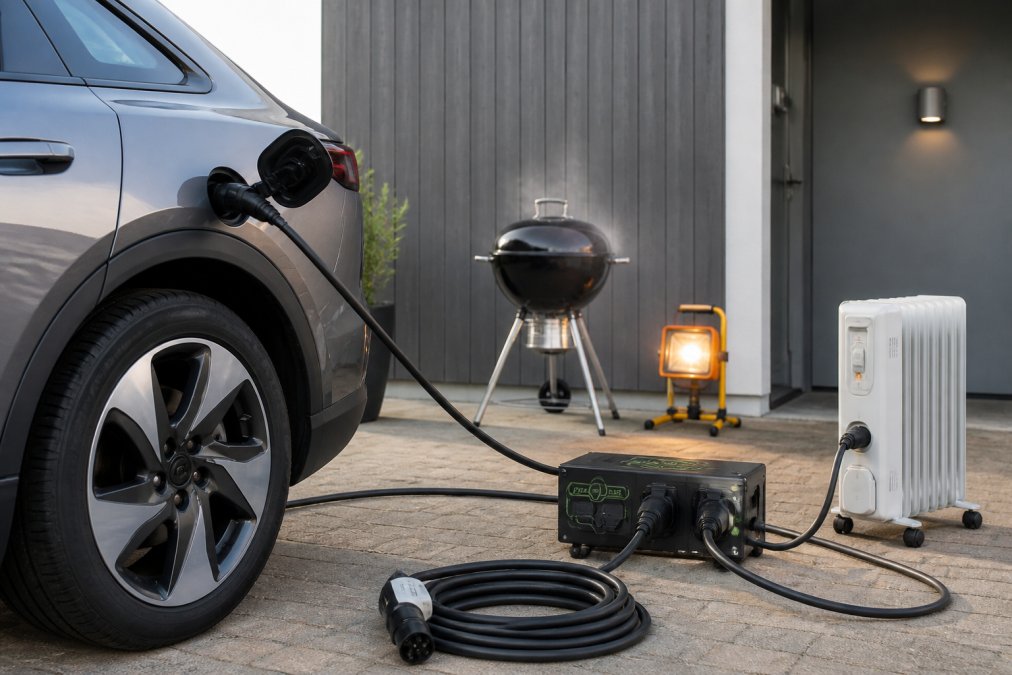
Guide to V2L installation in the home: Step by step
Table of contents
- What is V2L and how does it work in practice?
- V2L adapter for electric car: Choice and compatibility
- Safety when using V2L: Important precautions
- Installation and setup: Plug & Play versus fixed installation
- Practical guide: How to get started with V2L at home
- Battery wear and warranty conditions with regular V2L use
- Financial ROI calculation: When do you save the money?
- Conclusion
Last updated: August 13, 2026
What is V2L and how does it work in practice?
Vehicle-to-Load (V2L) is the technology that allows you to draw electrical power directly from your electric car's battery to external appliances and equipment. Instead of charging the car, the power flows from the vehicle through an adapter or converter to your home appliances, camping equipment or tools.
It's important to understand: V2L is about getting power OUT of the car, not into it. Your electric car becomes a mobile power station. When you plug in a V2L adapter in the charging port's Type 2 connector, a connection is established that allows the car's battery to supply external consumers with 230 volt alternating current.
In practical terms, this means you can drive your electric car out to the campsite, plug in an adapter, and then power everything from an electric kettle to a drill as long as the car's battery has enough energy. Or you can park the car next to your house and use it as backup power during power outages. The technology gives you flexibility that traditional electric cars didn't have.
The difference between bidirectional charging technologies: V2L, V2H and V2G
There are three main forms of bidirectional charging, and they are often confused. Here's what sets them apart:
V2L (Vehicle-to-Load): Power flows from the car to external devices. No permanent installation required, you can use a portable adapter. Ideal for camping, emergency power, or when you need power on the go.
V2H (Vehicle-to-Home): Power flows from your car to your house through a fixed installation. This requires a certified electrician and a dedicated charging box with bi-directional functionality. Your house can draw on the car's battery during power outages or at peak prices. This is more complex than V2L and requires professional setup.
V2G (Vehicle-to-Grid): Power can go from the car to the grid and back. This is the most advanced form where your car can help the grid by providing power during periods of high demand. This technology is still being rolled out and requires specially approved infrastructure.
For most people, V2L is the most practical starting point. It requires minimal installation, works with almost any electric vehicle that supports the technology, and gives you immediate value without having to have an electrician visit.
V2L adapter for electric car: Choice and compatibility
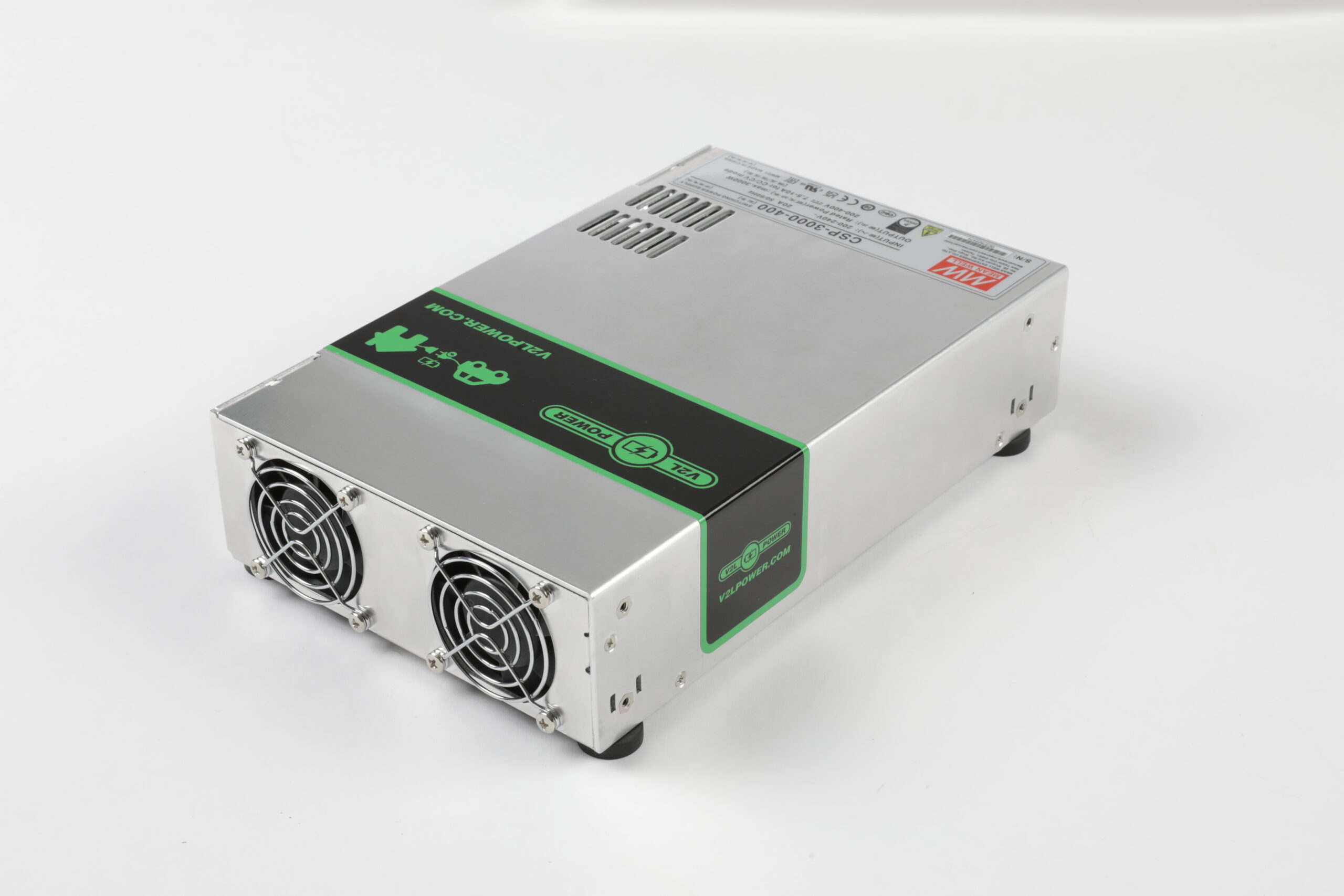
A V2L adapter is your link between your car's Type 2 charging port and your electrical devices. It converts the car's DC power to the AC power your home appliances use.
There are two main types:
Built-in V2L function: Some newer electric cars have V2L built right in. You simply plug a regular plug into a dedicated port on the car. This is the simplest solution, but not all car brands offer it yet.
External V2L converter: This is a separate device that you plug into the Type 2 charging port. It handles the conversion from DC to AC. An external converter gives you flexibility because it works with almost any electric car, you are not locked into the car's built-in solutions.
When choosing an adapter, make sure it is certified and compatible with your specific car model. A poorly chosen adapter can result in error messages like "V2L conditions not met" or even damage your car's electrical system. This is where accurate compatibility guidance becomes crucial.
Electric cars with V2L function: Which models support the technology?
V2L support varies significantly between car brands and model years. Most modern electric cars from major manufacturers are starting to get the feature, but it's not universal yet.
Hyundai and Kia were among the first to offer built-in V2L on models like the Ioniq 5 and EV6. The Nissan Leaf Plus and newer Leaf models support it. BMW's newer iX and i4 have V2L capability. The Mercedes EQE and EQS offer it. The Volkswagen ID. Buzz and ID.5 have also gotten the feature in recent years.
But here's the important thing: even if your car doesn't have built-in V2L, you can still use an external V2L converter, as long as the car allows two-way communication over the Type 2 port's charging cable. Almost all modern electric cars with CCS or Type 2 support it.
The best way to be sure is to check your car's manual or contact the manufacturer directly. Or you can use a V2L solution that has been specifically tested for your model, like V2LPower's guides, which cover exactly which adapters and converters work with each specific car model.
Safety when using V2L: Important precautions
Safety is not a detail, it is fundamental when working with high electrical current and batteries.
Overload and fault protection: Your V2L inverter should have built-in overload protection. If you connect too many devices at once, or if an device draws more power than the inverter can deliver, the system should automatically shut down, not just hope for the best.
Temperature monitoring: Inverters generate heat during operation. A safe unit has a temperature sensor and will reduce output or shut down completely if it overheats. The car battery should also not get too hot during V2L use.
Certification and testing: Buy only V2L solutions, there is certified for your market. In Denmark this means CE marking and compliance with relevant safety standards. Cheap inverters without proper certification are not worth the risk.
Cable quality: Bad cables can cause the connection to become unstable, causing errors or even fire. Always use cables specified for V2L operation, not improvised solutions.
Humidity and weather: If you are using the V2L outdoors, the inverter must be waterproof or mounted under a roof. Electronics and water do not mix. If you are camping and it is raining, protect the equipment.
Battery status: Always check your car's battery charge before starting V2L. If the battery is below 20 percent, some cars may refuse to activate V2L to protect their own system. And think logically: if you use your entire car battery to power your house, you won't have any power to drive anywhere.
Installation and setup: Plug & Play versus fixed installation
Here is where the choice between V2L solutions becomes concrete.
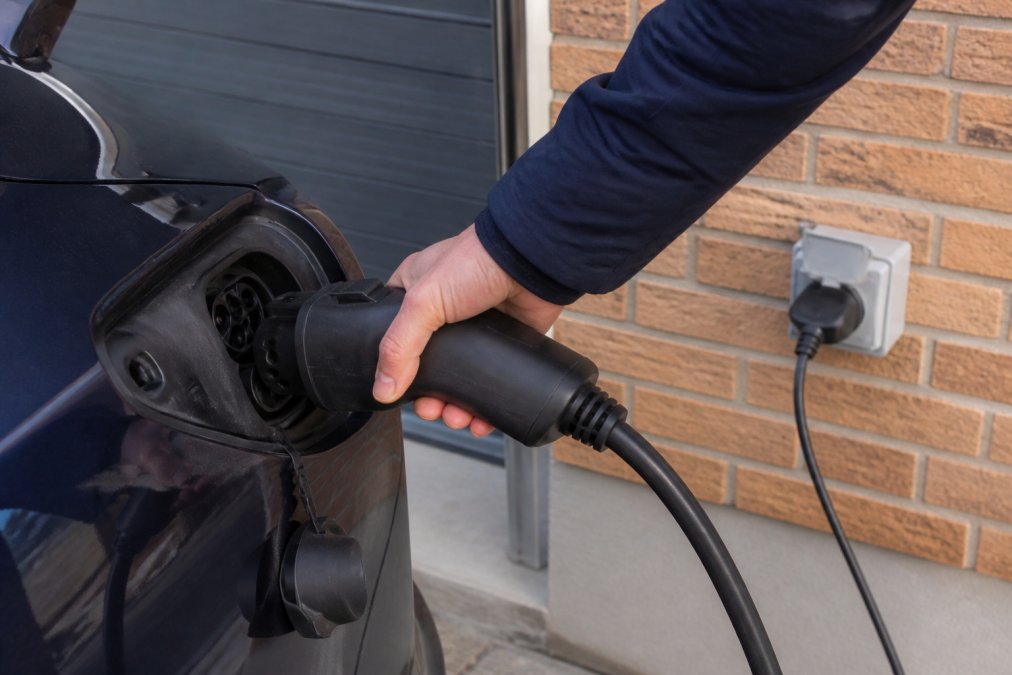
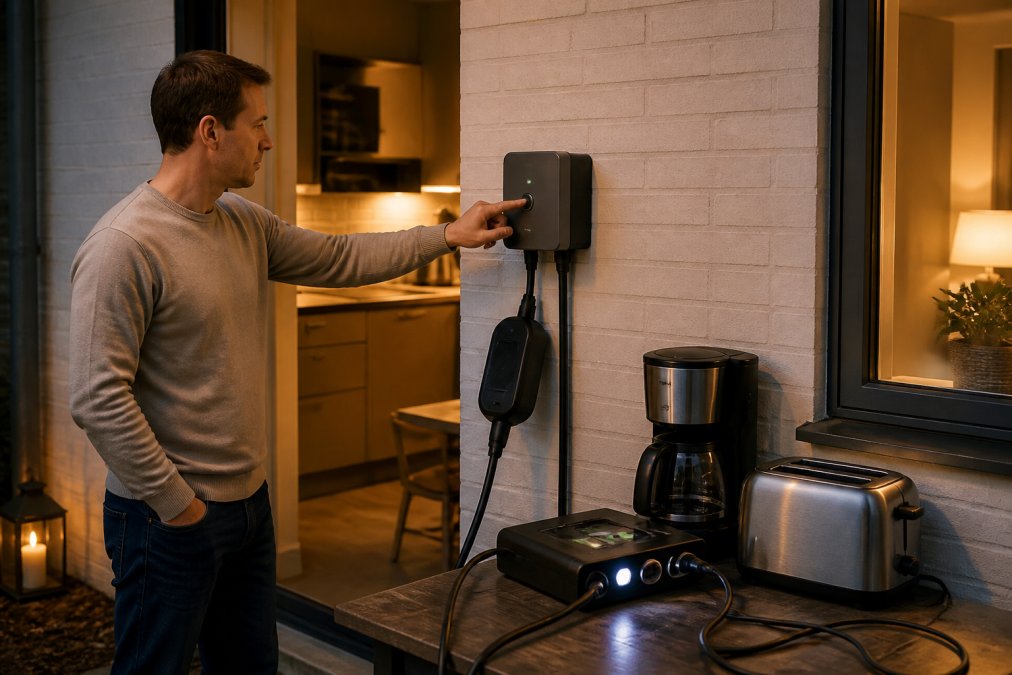
Plug & Play V2L adapter: This is the simplest solution. You unpack the adapter, plug it into your car's Type 2 charging port, and then connect your devices to a regular outlet on the adapter. No electrician, no permanent installation, no permits. You can take it with you when you travel. This works great for camping, short-term emergency power, or when you need portable power.
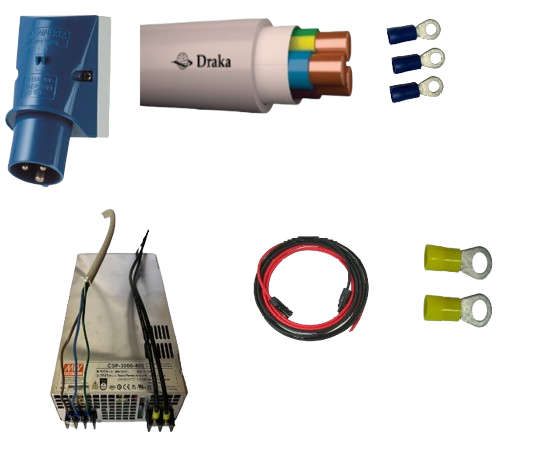
Fixed V2H installation: If you want to use your car as permanent backup power for your entire house, you'll need a permanent installation. This means a dedicated charging box mounted on your house wall, electrical cables running from the box to your electrical panel, and possibly a switch that automatically switches between the mains and the car's power. This requires a certified electrician and must be approved by your local power company.
Legal requirements for electrical installations in the home
If you install V2H or other fixed electrical installation in your house, you must follow Danish regulations.
Authorized electrician: Any permanent electrical installation in your house must be carried out by a licensed electrician registered with the Danish Safety Technology Authority. This is not something you can do yourself, even if you are skilled with tools. If something goes wrong after an unauthorized installation, it could affect your homeowners insurance and create legal liability.
The Danish Safety Technology Authority's rules: The installation must comply with applicable electrical safety standards. For V2H systems, this typically means that the system must be able to handle bidirectional current safely, have proper fault protection, and not damage the electrical grid when the car is connected.
Notification to the electricity supply: Your electricity supplier will typically need to be informed that you are installing V2H. Some require the system to be approved before it can be put into use. Contact your local electricity supplier before starting work.
Insurance: Check your homeowners insurance. Some policies require you to notify them of V2H installation. If you don't and later damage occurs related to the system, the insurance may refuse to cover it.
Practical guide: How to get started with V2L at home
If you want to get started with V2L at home, here are the steps:
1. Check your car's compatibility, Read your car's manual or contact the manufacturer. Does your car support V2L? If not, you can still use an external converter if your car allows two-way communication over the Type 2 port charging cable.
2. Choose the right V2L solution, If you just want portable power for camping or emergency power, start with a plug-and-play adapter. If you want permanent backup power for your entire house, plan a permanent V2H installation with a licensed electrician.
3. Buy certified equipment, Only buy V2L adapters or converters that are certified for your market and tested for compatibility with your car model. Cheap alternatives without proper testing are not worth the risk.
4. Read the instructions, Each V2L solution has its own instructions. Read them carefully. Understand how to activate V2L in the car menu, how to connect the adapter, and what safety limits the system has.
5. Test with small loads first, When you first use V2L, start by connecting a single small appliance, a lamp, a charger, something simple. Check that the system activates correctly, that there are no error messages, and that power is delivered as expected. Only then should you connect larger appliances.
6. Monitor the car battery, Check the car's battery charge regularly during use. If you use V2L, the charge will drop. Therefore, plan when you use V2L so that you don't end up with an empty car.
7. Protect the equipment from the weather, If you use the V2L outdoors, make sure that the inverter and sockets are protected from rain and moisture.
Devices and load: What can your V2L inverter handle?
Your V2L inverter has a maximum power output, typically measured in kilowatts (kW). Most inverters deliver between 3.6 kW and 11 kW depending on the model and vehicle capacity.
What does this mean in practice?
A 3.6 kW inverter can power:
- An electric kettle (2-3 kW), but not at the same time as anything else
- A freezer (0.5 kW) plus a TV (0.2 kW) plus lighting (0.2 kW) without any problems
- A drill (0.8 kW) without problems
A 7 kW inverter can power:
- Two electric kettles at the same time (if each uses less than 3.5 kW)
- Several smaller devices simultaneously
- Most household appliances except very powerful industrial tools
Important limitations:
Devices with high starting current, such as compressors, pumps, and some motors, may require more power at the moment they start than their normal operating consumption. If the starting surge exceeds the inverter's capacity, the system will shut down. This is a safety mechanism, not a fault.
Some appliances, especially old or very powerful ones, may be incompatible with the V2L system's AC power, even if the power supply is technically sufficient. Always check before connecting.
Battery wear and warranty conditions with regular V2L use
Here's a question that many people ask: If I use my electric car to power my house with V2L, will the battery wear out faster?
Technical answer: V2L use puts extra cycles on the battery, each time you drain and recharge the battery it counts as a cycle load. All batteries have a limited lifespan measured in cycles. More use means fewer cycles left.
But it's not that simple: Modern electric car batteries are designed to last a long time. Most manufacturers guarantee the battery for 8-10 years or 100,000-120,000 miles, whichever comes first. If you use V2L moderately, for example 2-3 hours a week, you are not putting so much extra strain on the battery that it significantly shortens its lifespan.
Warranty conditions: Here's the most important thing: check your car's warranty. Most electric car manufacturers will cover the battery under warranty even if you use V2L, provided you use certified equipment and follow the instructions. If you use cheap, non-certified V2L equipment and it damages the battery, the warranty may be voided.
Practical advice: If you want to minimize battery drain, then:
- Avoid draining the battery completely when using V2L, keep it above 20 percent
- Let the battery cool down between intensive V2L sessions
- Avoid V2L use in extreme heat or cold where the battery is already stressed
- Use only certified V2L equipment
Financial ROI calculation: When will you make the money?
Here is the essential question: When will the V2L investment pay for itself?
It depends entirely on your situation.
Scenario 1: Emergency power during power outages
If you use V2L as backup power, the ROI calculation is based on how often you have power outages and how much a generator would cost. A small portable generator costs around 3,000-5,000 DKK. A V2L inverter costs less than a generator and gives you much more flexibility. If you have just one serious power outage where V2L saves you from buying a generator, you have already made your money back.
Scenario 2: Camping and leisure activities
If you are a camper or use your car frequently for outdoor activities, V2L saves you from having to buy a portable generator or expensive camping power. Over three years, it could save you DKK 2,000-5,000 in generator leasing or camping fees.
Scenario 3: Permanent V2H installation
This is where things get more complex. A fixed V2H installation costs DKK 15,000-25,000 in installation plus the price of the inverter. You would earn the money by reducing your electricity bill during periods of high electricity prices, but this requires that you use V2L actively several times a week, and that there is a significant price difference between peak and off-peak electricity prices.
Realistic time horizon: For most people in Denmark, the ROI for V2L is around 3-5 years if you use it regularly. However, if you only use it a few times a year, it can take much longer.
Conclusion
Guide to V2L installation in the home is ultimately about gaining control over your own power supply. You have an electric car with a battery that contains enough energy to power your house for hours. Why not use it?
Start simple: buy a certified V2L adapter, test it, and see what you can do. If it works for you and you want more, consider a permanent installation with the help of a licensed electrician.
But whatever you choose, make safety a priority. Buy certified equipment, follow the instructions, and understand the limitations of your electric vehicle.
Frequently Asked Questions
What is the difference between V2L, V2H and V2G?
V2L (Vehicle-to-Load) means that power flows from your electric car to external devices via an adapter or inverter. V2H (Vehicle-to-Home) is a fixed installation where your electric car supplies power to your entire house, typically during power outages. V2G (Vehicle-to-Grid) allows you to send power back to the grid. V2L is the most flexible solution for camping, tools and emergency power, while V2H requires professional installation.
Which electric cars support V2L technology?
Not all electric cars have built-in V2L functionality. Many newer models from Hyundai, Kia, BMW, and other manufacturers support it. You can use an external V2L converter with almost any electric car if it has a Type 2 charging port. Check your car's manual or contact the manufacturer to confirm whether your model has native V2L support. V2LPower offers model-specific guides to verify compatibility.
Does V2L installation at home require a licensed electrician?
Plug & Play V2L adapter does not require electrician assistance. If you want a permanent installation (V2H), the work must be carried out by a licensed electrician and must follow the High Voltage Ordinance. An electrician ensures that your house is protected against overload and that the system is legal. For simple V2L setups, you can handle it yourself, but always consult your insurance.
What should I pay attention to when choosing a V2L adapter?
Choose an adapter that is compatible with your electric car's charging port and car model. Check the power (kilowatts) to make sure it can power your devices. Look for certified solutions that comply with safety standards. The adapter should have built-in overload protection. Check the warranty conditions and the supplier's support options. V2LPower offers certified adapters with free support throughout Europe.
Can V2L damage my car's battery or electrical system?
No, if you use a certified V2L solution. Modern V2L systems have built-in protection against overload and short circuit. The battery is designed to discharge in a controlled manner. Regular V2L use does not affect the warranty if you follow the manufacturer's guidelines. Avoid drawing more current than the battery and inverter allow. Always use certified products for maximum safety.
What electrical appliances can I connect to my V2L adapter?
You can connect appliances such as computers, refrigerators, tools, chargers and lamps. Check the total power consumption (kilowatts) against the capacity of your inverter. High consumers such as furnaces, heat pumps and large air conditioners can overload the system. Start with a lower load and increase gradually. A typical V2L inverter can handle 3-7 kilowatts. Always check the power consumption of the appliance before connecting.
Is it legal to use my electric car as backup power during power outages?
Yes, V2L use for emergency power is legal in Denmark. For permanent installation (V2H), the system must be installed by a licensed electrician and approved by your electricity company. Plug & Play V2L does not require any approval. Contact your insurance to ensure that your car insurance covers V2L use. Your home insurance should also be aware of the installation. Document all work and keep receipts.
How much can I save by using V2L solution?
The savings depend on your power usage, electricity prices and how often you use V2L. During power outages, you can save thousands by not having to use a generator. When camping, you avoid the higher electricity prices at the campsite. For businesses, V2L can significantly reduce energy costs. Calculate your ROI by comparing V2L costs to your current electricity costs and backup power solutions.
V2LPower specializes in V2L solutions that are tested for exact compatibility with your car model. We help you choose the right adapter or converter, provide you with technical support, and ensure your V2L installation is secure from day one. Read our full V2L guide for your specific car model and get answers to exactly which V2L solutions will work for you.
This article was written using GrandRanker



 Danish
  English
  Swedish
  German
  Dutch
Dutch  Norwegian
  Chinese
  French
  Polish
  Italian
  Greek
Greek  Finnish
  Spanish
  Turkish
  Bulgarian
  Czech
Czech  Portuguese
  Bosnian
  Slovak
  Slovenian
  Romanian
  Hungarian
  Lithuanian
  Latvian
  Estonian
  Serbian
  Ukrainian